Anúncios
Applying for remote jobs requires a strategic approach that highlights relevant skills and adaptability.
Candidates who understand the unique demands of remote work stand out more effectively to employers.

Remote job seekers must also leverage online tools, optimize resumes for applicant tracking systems, and prepare for virtual interviews.
These steps increase their chances of landing a position in a competitive, location-independent job market.
Understanding Remote Job Opportunities

Remote jobs span many roles, industries, and work arrangements.
Candidates must recognize the distinctions between job types, the industries that commonly hire remotely, and the difference between fully remote and hybrid setups.
Types of Remote Jobs
Remote jobs cover a range of functions including customer support, software development, digital marketing, content creation, project management, and data entry.
Some roles require technical skills like coding or graphic design, while others focus on communication and organizational abilities.
Jobs may be freelance, contract-based, or full-time employment.
Many remote positions depend on reliable internet, computer proficiency, and self-discipline.
The most common remote roles often emphasize digital communication and collaboration tools.
Popular Industries Hiring Remotely
Technology firms lead remote hiring, especially in software engineering, IT support, and cybersecurity.
Marketing and advertising agencies often seek remote specialists in SEO, social media, and content writing.
Other industries include education (online tutoring), healthcare (telehealth roles), finance (accounting and analysis), and customer service centers.
Growing sectors like e-commerce and consulting also expand remote job availability.
Remote vs. Hybrid Positions
Remote positions allow employees to work entirely from home or any location.
Hybrid roles require a blend of remote work and regular in-office days.
Hybrid jobs appeal to those who value face-to-face collaboration but need some flexibility.
Employers may offer hybrid models to balance productivity, culture, and employee preferences.
Candidates should confirm the expected onsite schedule and location details during the application process.
Preparing Your Remote Job Application

A strong remote job application requires specific adjustments to standard documents.
Candidates must customize their resume to highlight remote-friendly experiences and clearly demonstrate skills essential for working independently.
Effective cover letters should directly address the employer’s needs related to remote work.
Tailoring Your Resume for Remote Roles
The resume should emphasize achievements related to remote work or independent projects.
Candidates must list previous roles that involved virtual collaboration or telecommuting.
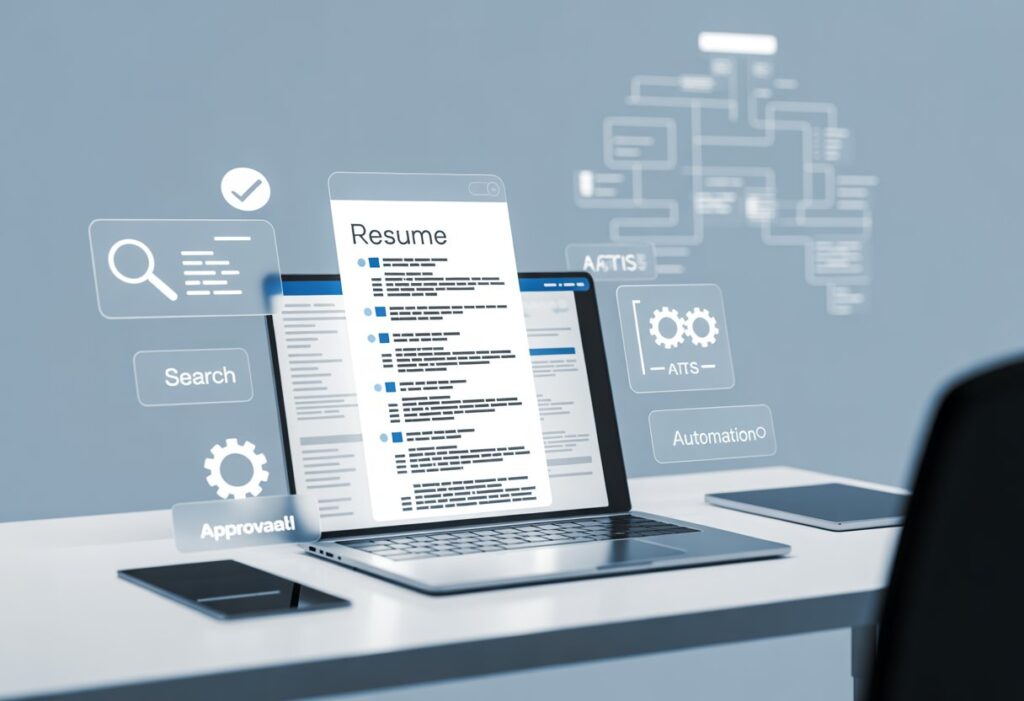
Using keywords like “remote,” “virtual team,” or “distributed workforce” helps applicant tracking systems identify relevant experiences.
Quantifiable results are crucial.
Instead of generic duties, candidates should include specific accomplishments such as improving communication processes or successfully managing projects without direct supervision.
Formatting matters; a clean, easy-to-read layout ensures clarity.
Avoid clutter and keep each section concise, focusing on skills and experiences that align with remote work environments.
Highlighting Remote Work Skills
Candidates need to showcase soft and technical skills essential for remote work.
Time management, self-motivation, and communication are critical interpersonal abilities to highlight.
On the technical side, proficiency with remote tools such as Slack, Zoom, Asana, or Trello should be specified.
Demonstrating adaptability to changing technologies signals readiness for remote roles.
Examples of problem-solving in a remote context add weight.
Candidates benefit from including brief descriptions of how they overcame challenges while working independently or on virtual teams.
Writing a Targeted Cover Letter
The cover letter must address the unique demands of remote work directly.
Candidates should explain why they are suited to work without in-person supervision.
It is important to mention previous remote work experience upfront and describe how they maintain productivity and communication.
Addressing the company by name and referencing their remote work culture shows genuine interest.
Candidates should keep the tone professional but confident, focusing on their ability to contribute effectively as remote employees.
Specific examples of remote successes strengthen the application.
Optimizing Your Online Presence
To stand out in remote job applications, candidates need a polished and professional digital profile.
This involves updating key platforms, showcasing current work, and carefully controlling what others see online.
Updating Your LinkedIn Profile
A well-crafted LinkedIn profile is essential for remote job seekers.
It should include a professional photo, a clear headline reflecting the desired role, and a concise summary emphasizing remote work skills.
Listing recent projects, certifications, and relevant keywords helps recruiters find the profile during searches.
Recommendations and endorsements from past colleagues add credibility.
Regular updates to experience and skills keep the profile current.
Activating the “Open to Work” feature signals availability to potential employers without making it public to all connections.
Building a Professional Portfolio
A digital portfolio highlights actual work samples, demonstrating skills and experience practically.
This can include links to websites, design files, written articles, or project outlines.
Portfolios should be easy to navigate, visually clean, and updated frequently.
Including a brief description of each item clarifies the candidate’s role and impact.
Platforms like GitHub, Behance, or a personal website are suitable depending on the industry.
Ensuring mobile-friendly access makes it convenient for employers to review work on various devices.
Managing Your Digital Footprint
Remote employers often look beyond resumes to assess a candidate’s professionalism online.
It’s crucial to audit social media and public content regularly.
Deleting or privatizing inappropriate posts protects reputation.
Privacy settings should be carefully configured across platforms.
Creating content that reflects industry knowledge, such as blog posts or shared articles, can strengthen perceived expertise.
Staying consistent with personal branding helps maintain a coherent image across digital channels.
Finding Remote Job Openings
Locating remote job opportunities requires targeting specialized platforms, building professional connections, and exploring direct company listings.
Each method provides access to different roles and industries.
Best Remote Job Boards
Remote job boards focus exclusively on work-from-anywhere positions.
Popular sites include We Work Remotely, Remote.co, and FlexJobs.
These boards filter listings by job type, experience level, and timezone requirements.
Candidates should create profiles on multiple platforms to receive tailored job alerts.
Many boards also offer resources like company reviews and application tips, helping applicants understand remote work culture.
Sorting jobs by category or contract type streamlines the search.
Using keywords like “remote,” “telecommute,” or “distributed” can uncover roles that might not be obviously labeled as remote.
Networking for Remote Opportunities
Networking widens the scope of remote openings beyond what job boards show.
Individuals should engage in online communities such as LinkedIn groups, Slack channels, and industry-specific forums.
Attending virtual events, webinars, and meetups tailored to remote work helps build connections with hiring managers and remote workers.
Referrals gained through these networks often lead to faster interviews.
Maintaining an updated LinkedIn profile optimized for remote keywords increases visibility.
Personalized messages when reaching out to recruiters improve response rates significantly.
Leveraging Company Career Pages
Many companies post remote roles exclusively on their career sites.
Targeting organizations known for remote-friendly policies ensures applicants find relevant openings.
Candidates should identify companies aligned with their skills and values, then regularly check the “Careers” section.
Subscribing to job alerts from preferred firms helps spot new remote positions immediately.
Some companies offer detailed descriptions of their remote work environment and expectations, aiding candidates in assessing fit before applying.
Direct applications often face less competition than those submitted through third-party boards.
Navigating the Remote Job Application Process
Successful remote job applications require attention to detail, tailored communication, and organized follow-up.
Candidates must align their skills precisely with job listings and manage their submissions carefully to increase their chances.
Understanding Company Requirements
Candidates should carefully analyze job descriptions to identify key skills, experience, and qualifications.
Many companies expect familiarity with specific remote work tools like Slack, Zoom, or Asana.
Demonstrating proficiency in these tools is essential.
Some remote roles require flexible hours across time zones or prior remote work experience.
Including this information in the application increases relevance.
Tailoring the resume and cover letter for each job based on stated qualifications helps pass Applicant Tracking Systems (ATS) and grabs recruiter attention.
Submitting Strong Applications
Applications must be customized, highlighting relevant achievements and using keywords from the job posting.
A clear, concise cover letter that addresses the company’s mission and explains why the candidate fits their remote work culture improves impact.
Candidates should include a professional LinkedIn profile and provide work samples or portfolios that demonstrate remote-friendly skills like time management and communication.
Attention to formatting and error-free writing reflects professionalism.
Follow instructions exactly, such as file type submissions or additional questions, to avoid disqualification.
Tracking Application Status
Keeping a detailed record of applications helps prioritize follow-ups and prepare for interviews.
Using spreadsheets or job search tools to track company names, job titles, submission dates, and response status supports efficient management.
After two weeks without a response, a brief, polite follow-up email can reaffirm interest and prompt feedback.
Organized tracking also helps identify patterns in responses or rejections, allowing candidates to adjust their approach accordingly.
Acing Remote Job Interviews
Successful remote interviews require thorough preparation and a clear demonstration of remote work capabilities.
Candidates must optimize their technology setup and show strong communication skills suited for virtual environments.
Preparing for Virtual Interviews
Candidates should test their equipment—camera, microphone, and internet connection—well before the interview.
A quiet, well-lit space without distractions is essential to maintain professionalism.
Dressing appropriately, as one would for an in-person meeting, signals seriousness.
Having notes organized, including the job description and key points to highlight, helps maintain focus and confidence.
Using a reliable video conferencing platform and familiarizing oneself with its features reduces technical risks.
It’s also important to prepare answers for common remote work questions, such as time management and self-motivation.
Demonstrating Remote Communication Skills
Clear and concise communication is crucial.
Candidates should speak slowly and enunciate to compensate for possible lag or sound quality issues.
Active listening, shown by nodding or brief verbal affirmations, helps confirm understanding.
They should avoid multitasking and maintain eye contact by looking at the camera, not the screen.
Using specific examples of past remote work or teamwork highlights adaptability.
Emphasizing tools used for remote collaboration, such as Slack or Zoom, assures the interviewer of their readiness for virtual work.
Following Up After Applying
Following up on a remote job application requires timing, clarity, and professionalism.
Candidates should use targeted strategies to remind employers of their interest without overwhelming them.
Clear, respectful communication helps maintain a positive impression throughout the hiring process.
Effective Follow-Up Strategies
A candidate should wait about one to two weeks after submitting their application before following up.
This gives recruiters time to review applications.
If contact information is available, an email is preferable as it is less intrusive than a phone call.
The follow-up message should be brief and to the point.
It can include a reminder of the position applied for, a quick mention of relevant skills or experiences, and a polite request for an update on the hiring timeline.
Using templates or scripts helps maintain professionalism.
For example:
- Greeting
- Reference to the application date and role
- Expression of continued interest
- Inquiry about next steps
Avoid sending multiple follow-ups in a short period to prevent annoyance.
Maintaining Professional Communication
Professionalism in follow-up communications reflects on a candidate’s suitability for remote work.
Messages should use formal language, avoid slang, and be free of errors.
This shows attention to detail and respect for the hiring manager’s time.
Respond promptly if the employer replies, even if the response is a delay or rejection.
Keeping interactions positive can open doors for future opportunities.
Candidates should keep all correspondence concise, focusing strictly on job-related topics.
Using a professional email signature with contact information ensures easy follow-up.
It also reinforces the candidate’s identity and makes future communication smoother.
Evaluating Remote Job Offers
Candidates must carefully review compensation details and benefits to ensure the offer aligns with their financial needs.
It is also crucial to understand contract terms to avoid misunderstandings about work expectations and legal obligations.
Assessing Compensation and Benefits
Evaluating salary involves more than just the base pay.
Candidates should consider frequency of payment, currency, and whether the amount covers taxes and fees relevant to their location.
Benefits like health insurance, retirement plans, paid time off, and equipment reimbursement are important.
Some remote roles offer stipends for home office setup or internet costs.
These factors affect overall value beyond salary.
Candidates should compare the offer with industry standards for remote positions.
Websites like Glassdoor or Payscale can help verify if the compensation is competitive.
Understanding Contract Terms
Contracts spell out job responsibilities, work hours, and termination policies.
Candidates should verify if the contract specifies a fixed term or at-will employment.
Pay close attention to non-compete clauses, confidentiality agreements, and intellectual property rights.
These can impact future job flexibility and ownership of work produced.
Remote positions often require agreement to communication tools and tracking software.
Understanding these obligations helps avoid surprises with privacy and productivity monitoring.
Asking for clarification on unclear terms is vital before signing to protect legal and professional interests.
Transitioning to Remote Work Successfully
Remote work requires deliberate changes in both the physical workspace and daily habits.
Effective setup and cultural adaptation are essential for maintaining productivity and communication.
Setting Up a Productive Home Office
A dedicated workspace helps separate work from personal life. It should be quiet, comfortable, and free of distractions.
Essential items include a supportive chair, reliable internet, and proper lighting. Organizing tools like a desk organizer or cable management system reduces clutter.
Position the monitor at eye level to avoid neck strain. Using noise-canceling headphones can improve focus during calls.
Regularly maintaining the workspace ensures comfort and efficiency. Ergonomics and good posture prevent physical discomfort over long hours.
Adapting to Remote Work Culture
Remote work culture often revolves around asynchronous communication and flexibility. Workers must become proactive in updating teammates using tools like Slack, email, or project management software.
Daily or weekly check-ins help maintain team connection and align priorities. Clear communication of availability and boundaries avoids misunderstandings and burnout.
Building trust with managers and colleagues is critical. This includes meeting deadlines consistently and being transparent about progress or obstacles.
Remote workers should also participate in virtual social interactions to foster team cohesion beyond task-oriented discussions.